Evolutionists in Search of the Missing Link
Where are the missing links? Explore the article’s objections concerning transitional fossils, mosaic organisms and reconstructions of ancient life.
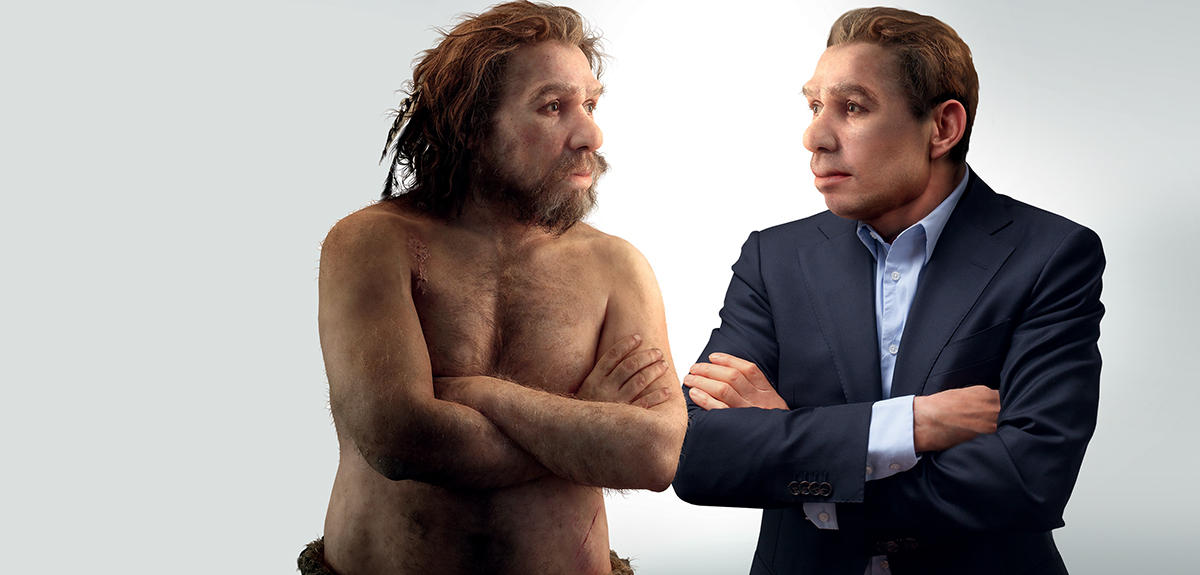
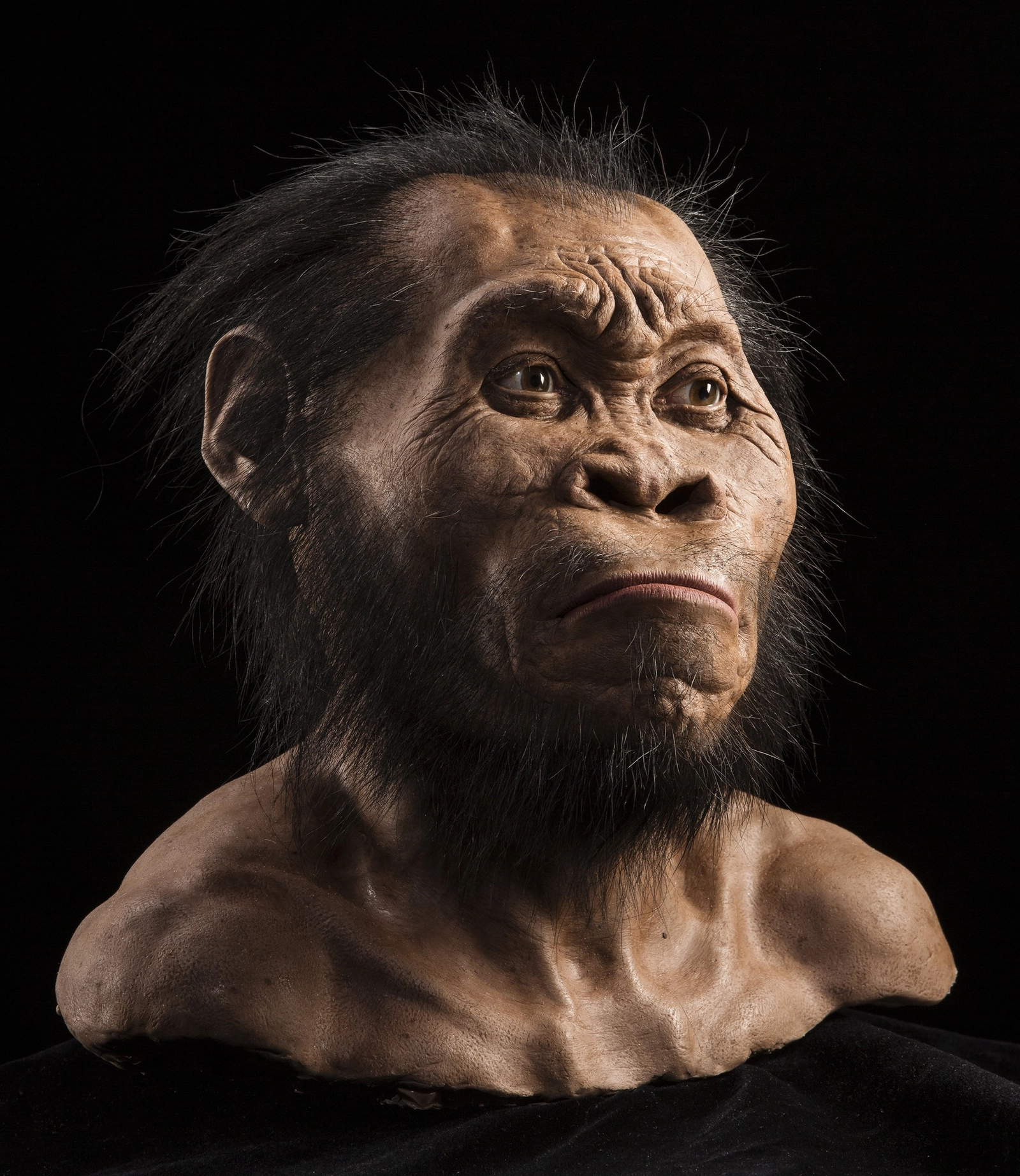
Darwinism no longer presents fossils as evidence for evolution. In excavations worldwide from the mid-nineteenth century to the present, not one of the millions of “transitional forms” evolutionists said should exist has been found. These “missing links” turn out to be a myth.
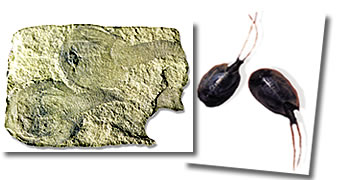
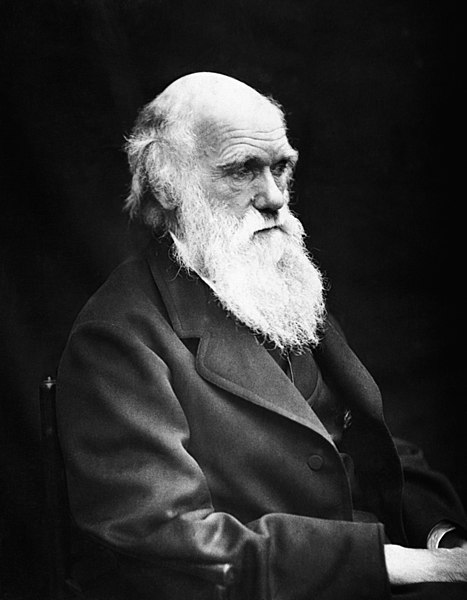
The Problem of Intermediate FormsDarwin wrote:“If my theory is true, innumerable varieties linking all the species within a group must surely have existed. Evidence of their existence can therefore be found only among fossils.”Yet despite 140 years of painstaking research, evolutionists have been unable to find even one. 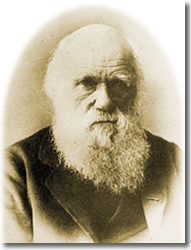 Darwin acknowledged the absence of intermediate fossils in the chapter “On the Imperfection of the Geological Record” in On the Origin of Species. 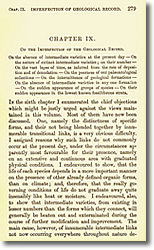 Evolutionary theory claims that living creatures descend from a common ancestor, diversifying over immense periods through linked, gradual modifications. 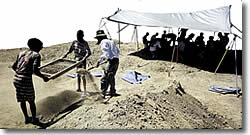 Excavations from Darwin’s time to the present have uncovered no intermediate form. If the claim were true, numerous “intermediate species” connecting different living species would have existed. If birds evolved from reptiles, for example, millions of half-bird, half-reptile creatures would have lived. Darwin knew fossil deposits should be full of these “intermediate transitional forms”, while also knowing none had been found. He therefore devoted a chapter to the problem in On the Origin of Species. He hoped future excavations would solve this great problem by uncovering transitional forms. Yet despite sustained efforts during the 140 years since Darwin, evolutionists have not found even one. The well-known evolutionist Derek Ager admits:“What emerges from examining the fossil record in detail is, once again, not gradual evolution but the sudden expansion of one group at another’s expense.”Derek A. Ager, “The Nature of the Fossil Record”, Proceedings of the British Geological Association, vol. 87, 1976, p. 133.  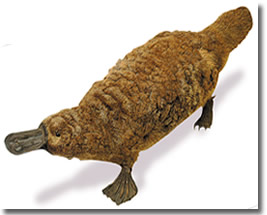 “Mosaic” Organisms Are Not Intermediate Forms Evolutionists’ principal example of an intermediate form is the fossil bird Archaeopteryx. On the basis of its teeth and claws, they claimed it was intermediate between reptiles and birds. An animal group can, however, possess characteristics of another species without this being sufficient evidence of a transitional form. The Australian platypus, for example, lays eggs like reptiles despite being a mammal, and has a bird-like bill. Scientists call organisms such as this “mosaic forms”. Leading evolutionists now also acknowledge that mosaic forms cannot be considered intermediate forms. The sudden appearance of fully created living beings on earth proves that God created them. Evolutionary biologist Douglas Futuyma admits:“Either organisms appeared on earth fully developed or they did not. If they did not, they must have developed from pre-existing species through some process of modification. If they appeared fully developed, they must have been created by an omnipotent intelligence.”Douglas J. Futuyma, Science on Trial, New York: Pantheon Books, 1983, p. 197. Similar Creatures Are Not Intermediate Forms The discovery of similar animals of different sizes in different periods is insufficient to establish intermediate forms. If the deer and gazelle species shown here were known only as fossils, evolutionists might arrange them from smallest to largest in an imaginary evolutionary sequence. Yet these animals are distinct living species, not intermediate forms. 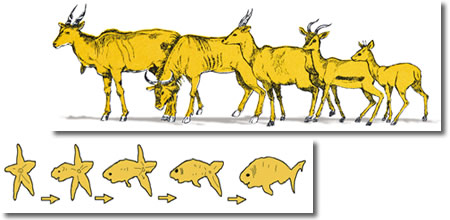  Imaginary Creatures The transitional forms existing only in evolutionists’ imaginations should have missing or deficient organs. A creature between bird and reptile, for example, should have half-wings and half-developed bird lungs. No such fossil has been discovered. Nor could such a bizarre creature survive, as the illustration shows. All discovered fossils belong to fully formed, perfectly designed creatures. Intermediate Forms Must Be “Half” Organisms The intermediate forms evolutionists should have found would lie between two species, with missing or partly developed organs. If invertebrates such as starfish evolved into fish, for example, many “half-fish” and “half-starfish” should have existed. Yet the fossil record contains only complete starfish and complete fish.  |